Stringing & Oozing Problems
Follow the steps. Most cases are fixed by step 1 or 2.
Lower temperature by 5 °C
Reduce the print temperature by 5 °C and run a test print, repeat up to twice (–10 °C total). A nozzle that's too hot allows filament to ooze even when extrusion is stopped.
| PLA | 190–205 °C |
| PETG | 225–235 °C |
| ABS | 235–245 °C |
| TPU | 220–230 °C |
Increase retraction by 0.2 mm
Open the filament settings in Bambu Studio and increase the Retraction distance by 0.2 mm. The ideal range for Bambu Direct Drive is 0.4–1.0 mm.
More than 1.5 mm can cause gaps. Only change by 0.2 mm at a time and test in between.
Increase travel speed & avoid perimeters
Set travel speed to at least 200 mm/s: the faster the head moves, the less time filament has to drip. Also enable Avoid crossing perimeters in Bambu Studio (Quality ? Travel).
Dry your filament
Wet filament causes stringing, look for crackling sounds or steam at the nozzle. Dry the filament before your next print.
| PLA | 45–50 °C · 4–6 hrs |
| PETG | 65 °C · 6–8 hrs |
| TPU | 50 °C · 4–6 hrs |
| Nylon | 80 °C · 12 hrs |
Less common causes
If steps 1–4 didn't help, expand the topic that matches your situation:
PETG strings more than PLA by design, some stringing is normal. Most effective: lower temperature to 225 °C, set retraction to 0.8 mm, enable Avoid crossing perimeters. High temperatures and long travel moves over gaps are the main causes.
1. TPU (worst) ? 2. PETG ? 3. Nylon ? 4. ABS/ASA ? 5. PLA (least). For TPU, slow travel speed and maximum retraction help the most, some stringing is generally unavoidable.
Thin strings can be removed with a heat gun from a distance or by pulling them off. Heavy stringing means your settings still need tuning, cleaning is not a substitute for fixing the root cause.
If small gaps appear after retractions, add an Extra Restart Distance of 0.05–0.1 mm. This compensates for material lost during retraction and prevents under-extrusion after travel moves.
Still not working? Interactive troubleshooter · Community
Tools that fix this
Stop the wisps at the source and clean up what is left.
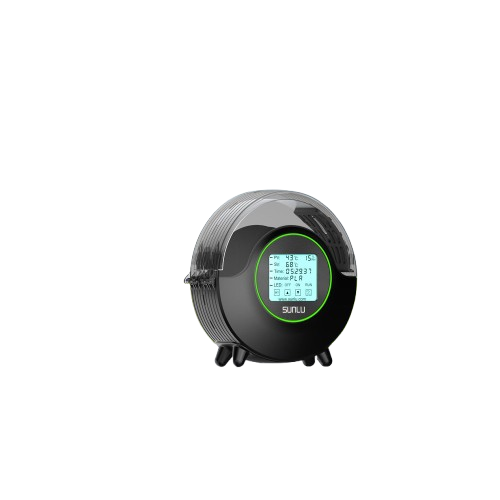
Moisture in the filament is the single biggest cause of stringing; drying it before printing removes most wisps.
Amazon →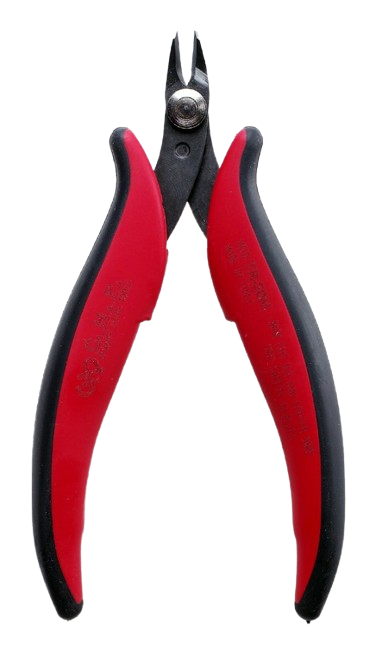
Fine-tip tweezers pick off residual strings and pluck oozed wisps from the nozzle between prints without marring the part.
Amazon →Affiliate links. We may earn a small commission at no extra cost to you.
Nothing worked?
Post your case in the community forum, photos help a lot, and we answer within a day. Or try the interactive troubleshooter.