AMS Jamming & Filament Stuck
Diagnose where the jam is, then follow the steps to clear it.
Where is the filament stuck?
The AMS system has multiple potential jam points. Identifying the location saves a lot of time. Check the LED color first: if one slot shows red, there's a broken filament fragment inside that slot. Go to Step 3. If all slots are failing or there's no extrusion at all, the problem is downstream (PTFE tube, buffer, or extruder). Go to Step 4. If you hear motor noise but the filament doesn't move, it's likely gear slippage or a hub jam. Proceed to Step 2.
Use the symptom table to narrow it down:
| Symptom | Likely location |
|---|---|
| Motor spins, filament doesn't move, spool is free | Internal hub jam |
| Clicking/grinding from AMS | Worn gear or hub obstruction |
| Filament exits AMS PTFE but stops | Buffer pawl stuck |
| Filament reaches printer but no extrusion | Extruder or nozzle clog |
Use the Unload function
Before opening anything, let the printer try to retract the filament. Tap Unload in the filament or AMS section on the printer touchscreen. The printer heats the nozzle and the AMS motors attempt retraction. If filament comes out, inspect the tip: a blob or mushroom shape means cut 5–10 cm cleanly before reloading.
Clear the PTFE tube and internal hub
If the unload failed, work through the jam points one by one, without opening the AMS first.
- Press the black push-fit button on the PTFE connector at the back of the AMS and pull the tube free.
- Also disconnect the tube at the printer side (buffer entry).
- With the tube free: pull filament from the spool/AMS side, pulling steadily without jerks.
- If the filament won't move from either end: push a fresh piece of filament in from one end to dislodge the stuck piece toward the other end.
- Once clear: reconnect PTFE tubes (push firmly until you hear a click, then verify by trying to pull the tube without pressing the button. It must not come free).
Broken filament inside the hub: Open the AMS lid (two screws under the spool holder area). Locate the affected slot (red LED). Press the lever on the internal hub to release tension, then use thin tweezers to extract fragments. Reassemble and test.
Check the filament buffer
The buffer sits between the AMS and the printer and contains a spring-loaded pawl that is a common jam point. If your AMS looks clear but filament still won't load, the buffer is the next suspect.
- Remove the buffer from its bracket at the back of the printer.
- Disconnect both PTFE tubes from the buffer.
- Try pushing filament through from the AMS side; it should pass freely toward the printer side.
- If stuck: apply firm, steady pressure from the printer side pushing toward the AMS. This is the direction that releases the pawl mechanism.
- If the buffer releases filament in both directions (no resistance on pull-back): the pawl is broken. Replace the buffer.
Prevention and less common causes
Before loading any spool, place it in the slot and spin it by hand. It must rotate freely with minimal friction. A spool that catches will eventually fail during a high-speed retraction. The AMS supports spools 50–68 mm wide and 197–202 mm diameter. Out-of-spec spools (many Amazon house brands) need adapter rings. Always cut the filament at 45° before inserting and secure the free end in the spool hole before you close the AMS lid.
Moisture makes filament brittle, which causes it to snap inside the AMS or PTFE tube during retraction. This is one of the most common jam scenarios. Signs: crackling or popping during printing, steam at the nozzle, surface bubbles on printed parts. Dry before printing: PLA at 45 °C for 4–6 h, PETG at 65 °C for 6–8 h, PA/Nylon at 80 °C for 12+ h. Keep all 4 AMS latches fully closed. One open latch continuously draws in humid air and defeats the desiccant.
Every load/unload cycle wears the tube interior. Replace internal AMS PTFE tubes every 2 months for standard filaments, every 1 month for CF/GF abrasives. Only use 2.5 mm ID / 4 mm OD PTFE. The wrong inner diameter (a common mistake in remote AMS setups) causes immediate jamming. Inspect tube ends after every jam: the area compressed by the collet fitting is the first to deform.
TPU is officially not supported in the standard AMS or AMS Lite. The long push path causes flexible filament to buckle ("pushing rope"), which jams the internal hub irreversibly. AMS 2 Pro has a dedicated TPU outlet at the back; use it. For all other AMS models: feed TPU from the external spool holder, disconnect the AMS PTFE tube, and uncheck "Enable AMS" in Bambu Studio when slicing.
| Code | Meaning |
|---|---|
0700-2000-0002-0003 | Filament broken inside AMS. Clear hub internally. |
0700-2000-0002-0004 | Fragment between buffer and extruder |
0700-4000-0002-0004 | Buffer spring / pawl stuck |
0700-0100-0002-0002 | Hub motor overloaded (hub jam or spool tangle) |
0700-7000-0002-0002 | Failed to feed into toolhead (classic jam) |
The second group tells you where: 4xxx = buffer, 7xxx = toolhead/extruder path.
Nothing worked?
Post your case in the community forum, photos help a lot, and we answer within a day. Or try the interactive troubleshooter.
Tools that fix this
Smooth the filament path so the AMS stops jamming.
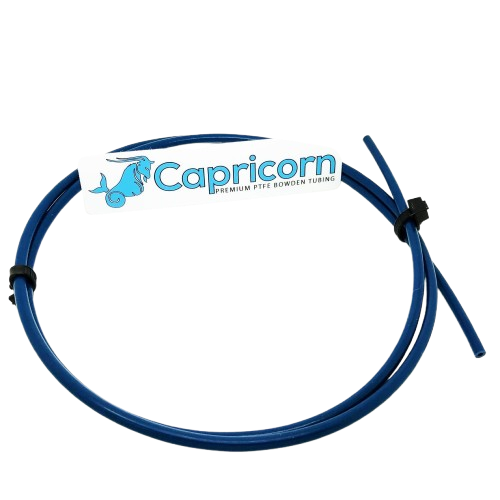
A tighter-tolerance bore reduces friction in the AMS feed path so filament stops binding and jamming.
Amazon →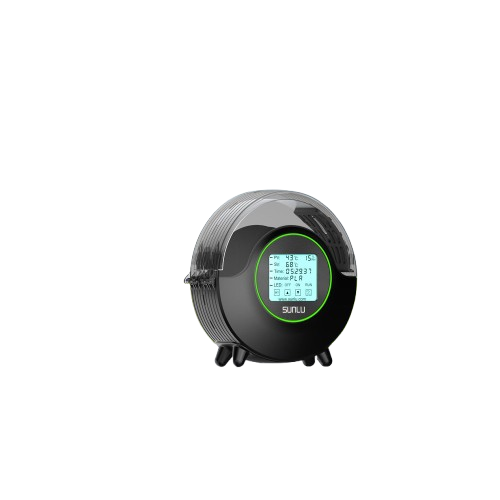
Brittle, moisture-damaged filament snaps inside the AMS; drying it keeps strands flexible and feeding.
Amazon →Affiliate links. We may earn a small commission at no extra cost to you.
AMS feeding and jam errors
If Bambu Handy or Bambu Studio shows one of these HMS codes, it maps to the problem on this page. Each code links to Bambu's official step-by-step fix; come back here if the official steps don't solve it.
HMS_0700-0100-0002-0002– AMS assist motor overloaded, filament tangled or stuck · official fixHMS_0700-2000-0002-0003– Filament may be broken inside the AMS · official fixHMS_0700-7000-0002-0002– Failed to feed filament into the toolhead · official fixHMS_0700-7000-0002-0004– Failed to pull filament back from the toolhead · official fixHMS_1200-6000-0002-0001– AMS lite (A series): filament tangled or stuck · official fix