AMS Filament Detection Issues
Follow the steps in order. Cleaning the hall sensors fixes 70% of all cases.
Clean the hall sensors
Power off the printer. Remove all filament from the AMS. Blow compressed air into each slot, then clean the sensor area at the back of each slot with a dry cotton swab.
Reload filament and test. Never use force, stop immediately if you hear grinding or feel resistance.
Check RFID & set material manually
RFID tags only work with Bambu-brand spools. For third-party filament, simply set the material type manually in Bambu Studio: the printer works just as well without RFID.
| "RFID not recognized" | Third-party spool or damaged tag |
| "Filament may be broken" | Sensor blocked or dirty |
| "Failed to feed filament" | Feeder slip or tangled spool |
| "Please load filament" | Filament not reaching the sensor |
Clean the feeder gears
Remove all filament and inspect the feeder gears through the slot opening for debris. Clean the gear teeth with a soft brush or compressed air.
Also check that the spool unwinds freely, too much tension from a tangle can stall the feeder motor.
Inspect the AMS buffer
Check the buffer arm at the back of the AMS for free movement, if stiff, clean the pivot point. Inspect the optical sensor window at the buffer inlet for dust and clean if needed.
A stuck buffer falsely reports no filament movement and interrupts the print unnecessarily.
Less common causes
If steps 1–4 didn't help, expand the topic that matches your situation:
Kinked PTFE tubes inside the AMS hub cause intermittent detection errors. Pull out each tube and manually thread a short piece of filament through, there should be no noticeable resistance. Replace any kinked sections; they are cheap and easy to swap.
Check the AMS firmware version, some detection errors were bugs fixed in updates. AMS Lite (A1 series) has a simplified detection system; most steps still apply, but the hub and buffer design differ.
Load filament directly into the extruder (bypassing the AMS) to check whether the issue is on the AMS side. If the print works without the AMS, the AMS system is faulty. Contact Bambu Lab Support in that case, hall sensor failures sometimes require replacement parts.
Still not working? Interactive troubleshooter · Community
Tools that fix this
Keep the feed path clean so the AMS reads filament reliably.
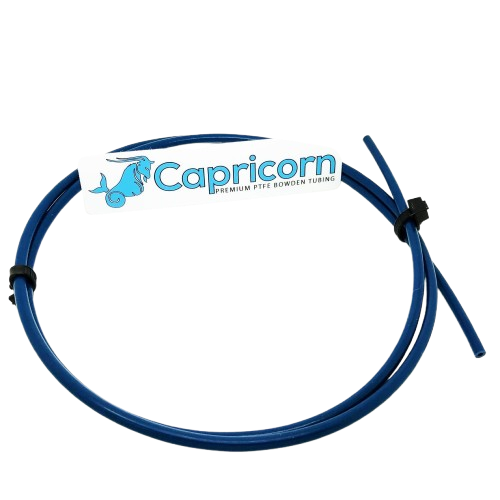
A worn or loose PTFE tube lets filament slip past the AMS feed sensors; a fresh tight-fit tube restores reliable detection.
Amazon →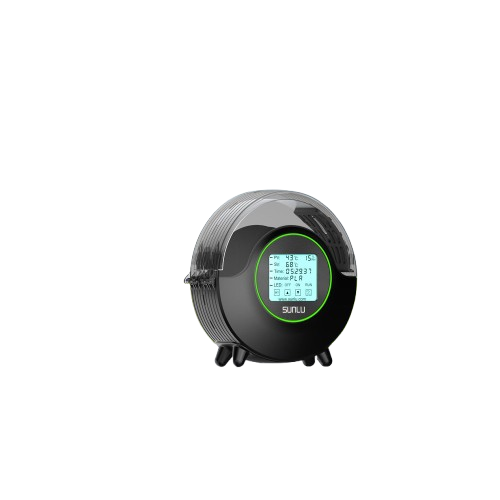
Swollen or shedding wet filament fouls the AMS odometer and hub; drying it prevents false runout and feed errors.
Amazon →Affiliate links. We may earn a small commission at no extra cost to you.
Nothing worked?
Post your case in the community forum, photos help a lot, and we answer within a day. Or try the interactive troubleshooter.